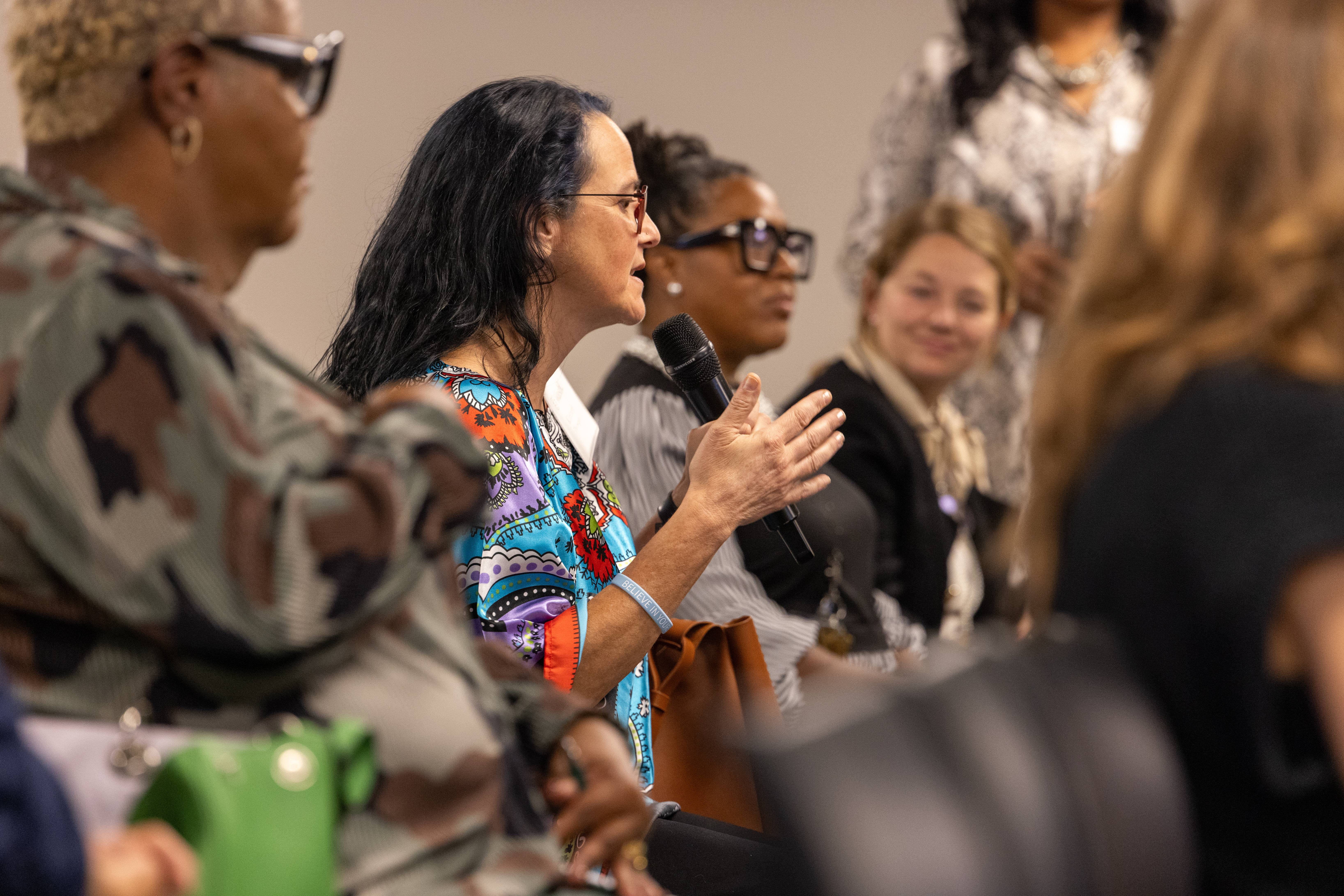
What is the Carnegie Classification for Community Engagement?
The Carnegie Classification for Community Engagement is an elective classification that recognizes U.S. colleges and universities for their institutionalized commitment to community engagement.
It is a self study of an institution’s commitments to and integration of community engagement across all aspects of the university including curricular, co-curricular, research, WashU policy and business practices, and administration.
What is Community Engagement?
WashU defines community engagement as a collaboration between institutions of higher education and their larger communities for the mutually beneficial exchange of knowledge, applied practice, and resources in a context of partnership and reciprocity.
What does this definition mean?
- “Collaboration between institutions of higher education and their larger communities”
-
WashU working together with groups outside itself. This could be, but is not limited to, neighborhoods in St. Louis, nonprofits, schools, government agencies, small businesses, civic or advocacy groups, individuals, or other institutions in the region (or beyond).
- “Mutually beneficial exchange of knowledge, applied practice, and resources”
-
This is the core idea: it’s not a one-way street. It’s not just WashU “helping” the community or the community being a subject of study. Both sides give and get something:
- Knowledge — research findings, lived experience, cultural awareness, experiential learning, expertise, data
- Applied practice — real-world skills, hands-on work, clinical or professional experience
- Resources — funding, facilities, staff time, technology, etc.
And “exchange” implies it flows in both directions — the university learns and benefits from the community just as much as the community learns and benefits from the university.
- “In a context of partnership and reciprocity”
-
This is the key phrase. It means:
- Partnership — the relationship is collaborative, not hierarchical. The community isn’t just a passive recipient of university expertise; they are instrumental in shaping the goals and methods and their expertise is valued.
- Reciprocity — there is a give-and-take. Both parties bring something valuable, and both benefit.
Why is WashU pursuing the Carnegie Classification?
- Demonstrates commitment.
-
Earning this classification signals to students, partners, funders, and the field at large that our institution meets the rigorous standards of the Carnegie community engagement framework — proof that our work is genuinely reciprocal, deeply institutionalized, and built to last.
- Unites community engagement across WashU.
-
Completing the self-study brings together teams across WashU who might otherwise rarely cross paths — surfacing a fuller, more connected picture of the community engagement work already underway across the institution.
- Builds a culture of accountability.
-
The self-study process pushes institutions to build lasting systems for tracking, assessing, and communicating their community engagement work — capacity that strengthens strategic planning and deepens institutional understanding of the impact of that work over time.
- Builds credibility with funders.
-
When pursuing grants and partnerships that prioritize community engagement, holding the classification lends our work visibility and credibility with the funders and partners we’re hoping to reach.
- Carries the weight of the Carnegie name.
-
The Carnegie Foundation for the Advancement of Teaching has long championed and elevated higher education. Its classification carries real prestige, earning recognition both nationally and around the world.
Carnegie Classification Leadership Team


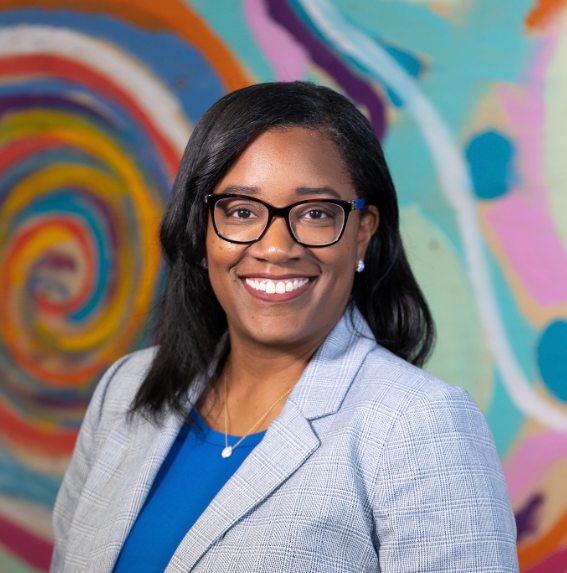

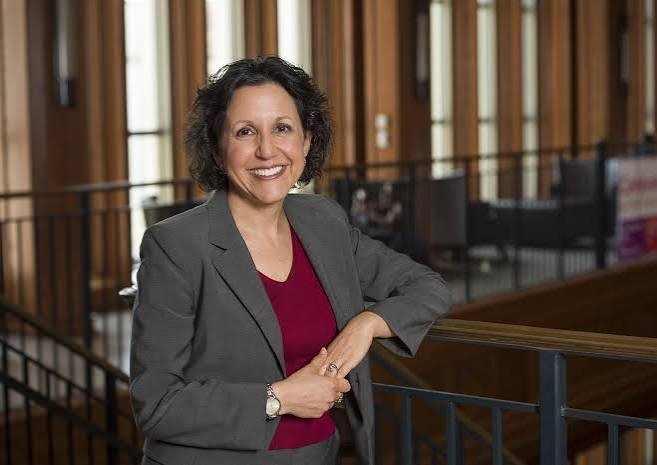
Stephanie Kurtzman
Peter G. Sortino Executive Director, Gephardt Institute for Civic and Community Engagement
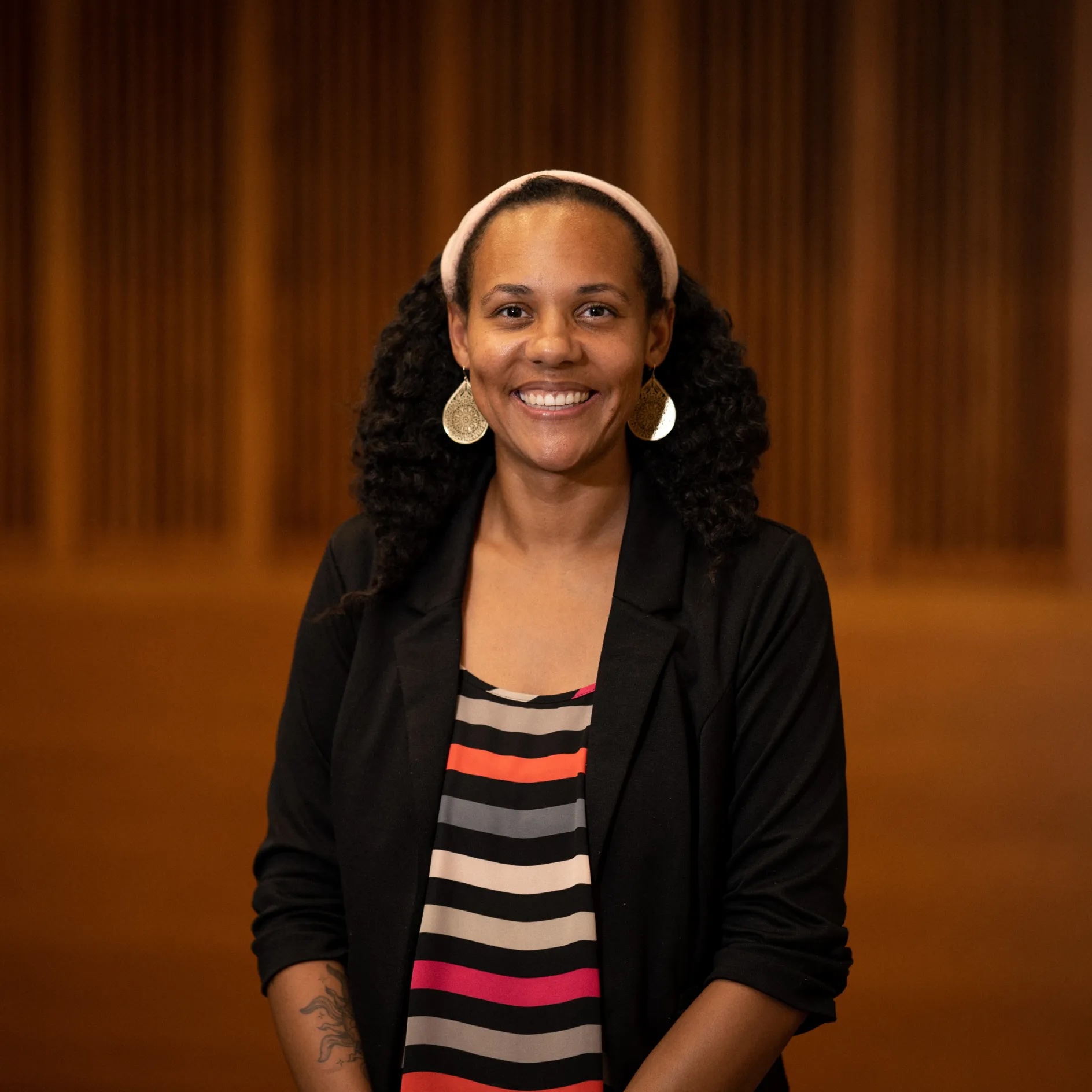

Brett Maricque
Assistant Professor of Genetics, WashU Medicine
Co-Director, Center for Community Health Partnerships and Research
Carnegie Classification Events
Want to learn more?
If you or your unit have information that can be included in the Carnegie Classification application, please fill out this brief form or email us to learn more at carnegieclassification@wustl.edu.