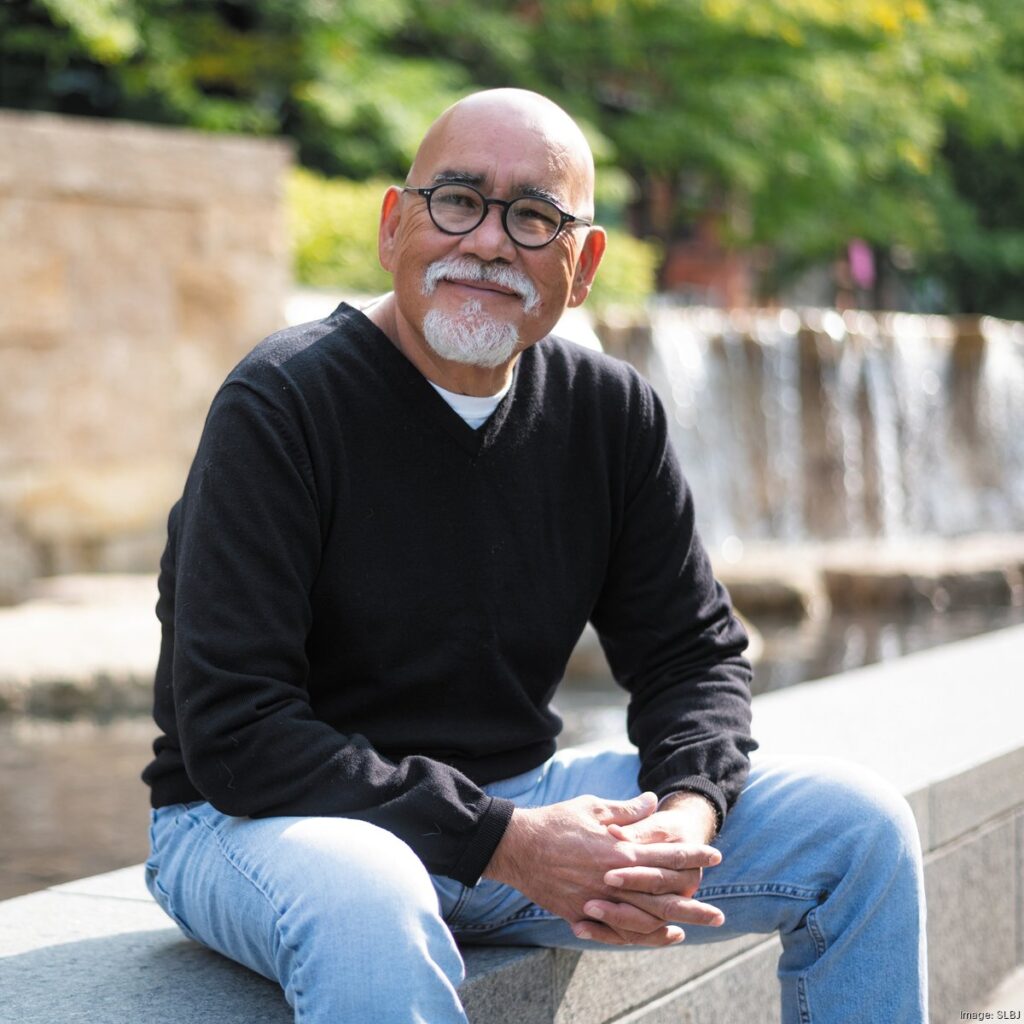
Sal Valadez, a member of the Community Collaborative, sat down with the Confluence Collaborative to discuss how the Ethnic Community Opioid Response Network–Missouri (ECORN-MO) advocates for multilingual resources, disaggregated demographic data, community engagement, and public health collaboration to address the needs of communities often left out of opioid response efforts.
ECORN-MO is a certified Missouri collaborative working to address the impact of the opioid epidemic on immigrant, ethnic, and Limited English Proficient (LEP) communities that have historically been underserved.
This interview has been edited for length and clarity.
Can you give an overview of ECORN-MO’s work and mission for people unfamiliar with what you do?
From 2013 until my retirement last year, I served as the Representative for Diversity, Community Outreach, and Marketing for the Missouri and Kansas Laborers District Council. Through monthly community meetings at Laborers Local 110, we brought together City and County representatives, faith leaders, ethnic community leaders, and members of the Immigrant Service Providers Network. In 2017, I joined a small construction-industry group working with the Washington University School of Medicine to address suicide, opioid overdose, and mortality in construction. Together, those community meetings and public health conversations helped reveal the need for a coordinated response that eventually became ECORN-MO.
In 2018, a group of ethnic community leaders and faith leaders requested a meeting with the leadership at Laborers Local 110. Their request was direct: “Our children are dying. Can you help us?” The key issue was opioids. Their request influenced me deeply.
It became apparent that the lack of detailed data was a primary driver of disparities in our most vulnerable populations. As Rissa Rawlins, CEO of the Community Health Commission, has said, “Data equals people.” Our collective challenge is twofold: to ensure that identity — including race, ethnicity, and language — is recognized as a key social determinant of health, and to value both quantitative data and qualitative stories as essential to addressing disparities in vulnerable communities. Data drives research; research drives policy, funding, and programs.
In 2022, a convergence of events led to the founding of ECORN-MO. I was invited to the Addiction Policy Forum’s rollout of its English/Spanish toolkit, and I reached out to the HHS Region 7 Opioid Response Network and Addiction Technology Transfer Center in Kansas City to help identify multilingual opioid response resources. After an extensive national search, those partners found no comparable resources beyond English and Spanish.
In collaboration with the Addiction Policy Forum and HHS Region 7 ORN/ATTC, ECORN-MO helped create resources in English and twelve other languages for professionals, teachers, communities, families, parents, and children seeking to better understand the dangers of opioid addiction. These free multimedia resources can be downloaded directly from the Addiction Policy Forum website.
Underneath all of our work is one conviction: public health should serve everybody. This includes both English speakers, Language Other Than English (LOTE) speakers, and Limited English Proficient (LEP) speakers.
I also want to be clear: ECORN-MO is powered entirely by volunteers. We have no staff and no physical office. We meet every other month, work online, and rely on the strength of the collaborative.
Tell us about the materials themselves. What are they, and who are they for?
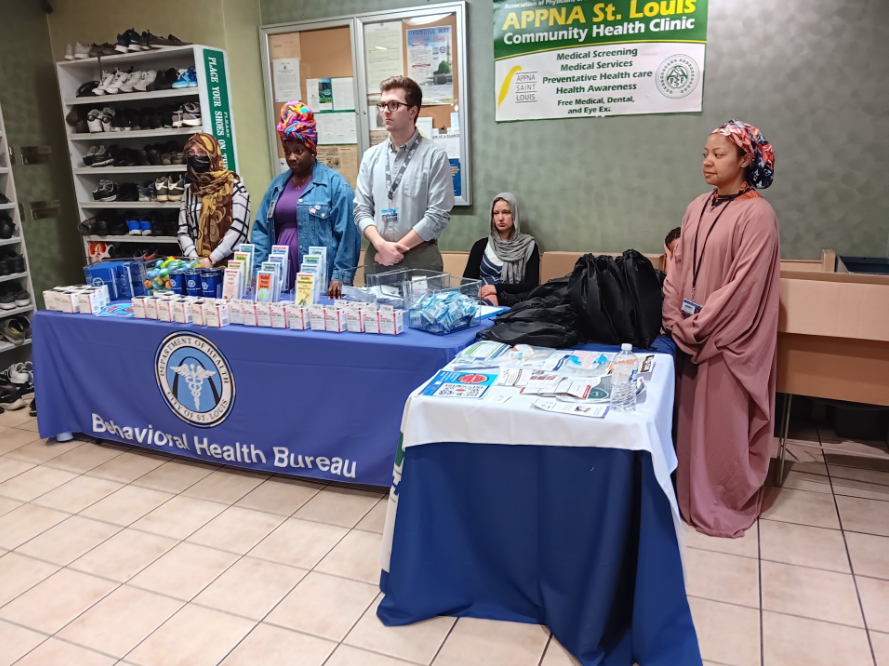
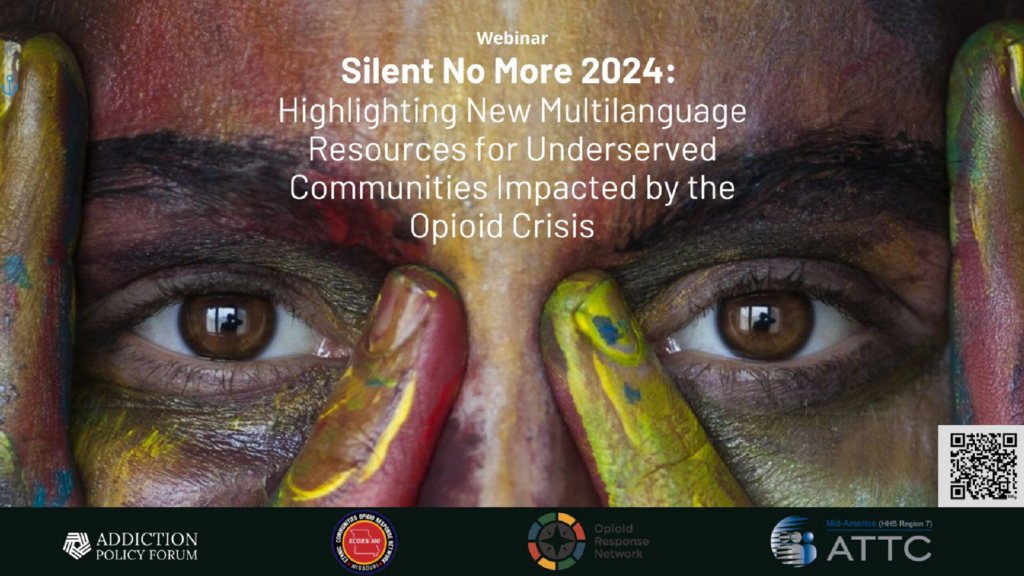
These multimedia materials are downloadable, free, and co-brandable, which means public health departments and community organizations can adapt them for their own outreach. They are designed for professionals, community members, parents, and children. The materials cover issues related to addiction and opioids, including stigma, how to protect the brain, and the impact of opioids on the brain. They are available in English, Arabic, Bosnian, Burmese, Dari, French, Mandarin, Pashto, Somali, Spanish, Swahili, Tagalog, and Ukrainian.
Although these materials were created for the St. Louis region, they have been downloaded and used in all 50 U.S. states, Puerto Rico, and more than 200 countries — from Andorra to Zimbabwe. That reach started in St Louis, Missouri, and it is something our state can take pride in.
One of the most striking parts of your approach is how you use data to drive impact. How do you approach your data-driven processes?
In Missouri, and especially in the public health departments for St. Louis City and St. Louis County, data is often represented as Black, white, and other. We compared city and county overdose and mortality data by ZIP code with East-West Gateway Council of Governments data showing where people with limited English proficiency live. When we laid the maps side by side, we saw that many limited-English-proficiency communities lived in ZIP codes also affected by overdose and mortality. That finding has become the foundation of our current work.
We approach this work from the belief that research, policy, funding, and programs all depend on good data. Good data has to include both the quantitative — the numbers — and the qualitative — the stories. Together, they are powerful. We constantly ask: who is being left behind, and why? Language, ethnicity, and race are social determinants of health.
Disaggregating the data would help public health agencies understand communities more clearly: who is being missed, what languages and cultural contexts matter, and where resources should go. That is how our public health response can provide culturally appropriate language access and services. I believe that is a public charge.
How has the national political environment affected the communities you serve?
Immigrants live under tremendous stress because of the national and state policy environment. That stress affects mental, behavioral, and physical health. My concern, especially for recent immigrants and refugees, is that fear and stigma may keep people from seeking care. Some may look for relief outside the medical system, while others are managing conditions such as diabetes or other health needs without reliable access to care. Even when people do not seek relief outside the medical system, their health is still compromised.
People in the community are fearful, and at times that fear is overwhelming. This is not sustainable, and it is a loss for everyone. Still, we have to remain optimistic.
For anyone whose interest is piqued, how can they get involved?
Contact us and tell us what you see, what you believe in, and how you want to be part of the solution. We are currently reorganizing with Vitendo4Africa as our fiscal agent, and we welcome volunteers, donations, and partnerships that help sustain this work.
I am grateful to everyone who shares these concerns. We are in this together; we are our brother’s and sister’s keeper, and collaboration and intentional change provide clear paths to solutions.
To learn more, visit ECORN-MO at http://ecorn-mo.org
You can also visit the Addiction Policy Forum/ECORN-MO multilanguage resources page at https://www.addictionpolicy.org/addiction-information-other-languages
For questions or partnership opportunities, contact Sal at salvaladez85@gmail.com or 319-383-6200.